History of the Monastery
From King Dragutin, through Despot Stefan and the Great Migration of the Serbs, to the restoration of the 20th century.
Dragutin or Despot Stefan?
No written church archives record exactly who founded the monastery, so historians have weighed two local traditions against each other. According to the first, the founder was the holy King Dragutin. According to the second, the monastery was the endowment of the holy Despot Stefan Lazarević, since his famous hunting grounds lay in these lands. Opinion on the date is divided, but the slightly stronger view is that the church was built in the late 13th or early 14th century, in the time of King Dragutin — after 1284 and before 1316. The shape of the floor plan and the manner of building support this, for they are closer to the churches of the Raška school than to the triconch (three-apsed) churches of the Morava school.
At that time the Serbs had, for the first time, come into possession of the lands as far as the Sava and the Danube. On this view, Despot Stefan only restored the monastery, in the early 15th century, when he also built the fortress of Pavlovac on the heights of Kosmaj.
The two traditions are therefore easily reconciled. It is thought that Despot Stefan raised a new sanctuary directly on the ruins of an earlier Nemanjić-era church built by King Dragutin, keeping its dedication to the holy archangels. In this way Tresije holds the traces of two great dynasties of saints — the Nemanjić and the Lazarević.
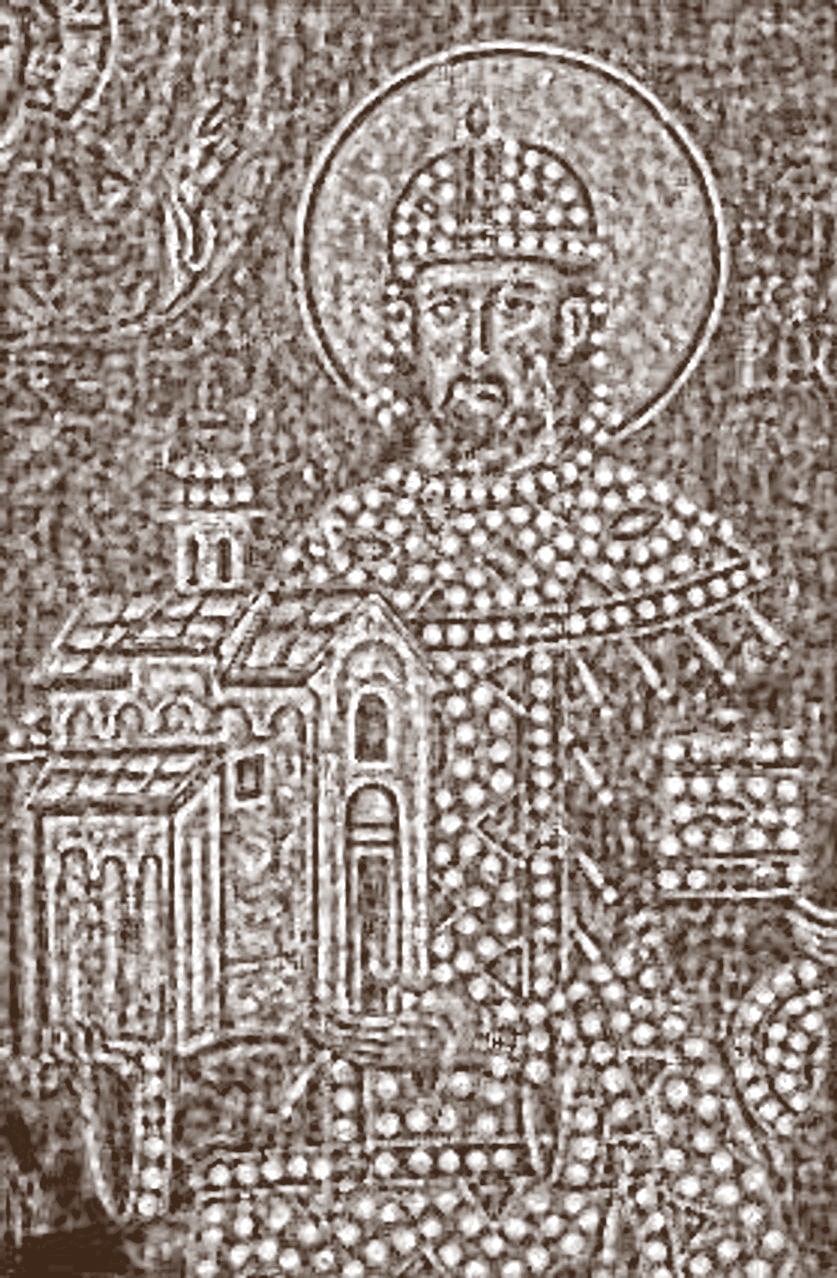
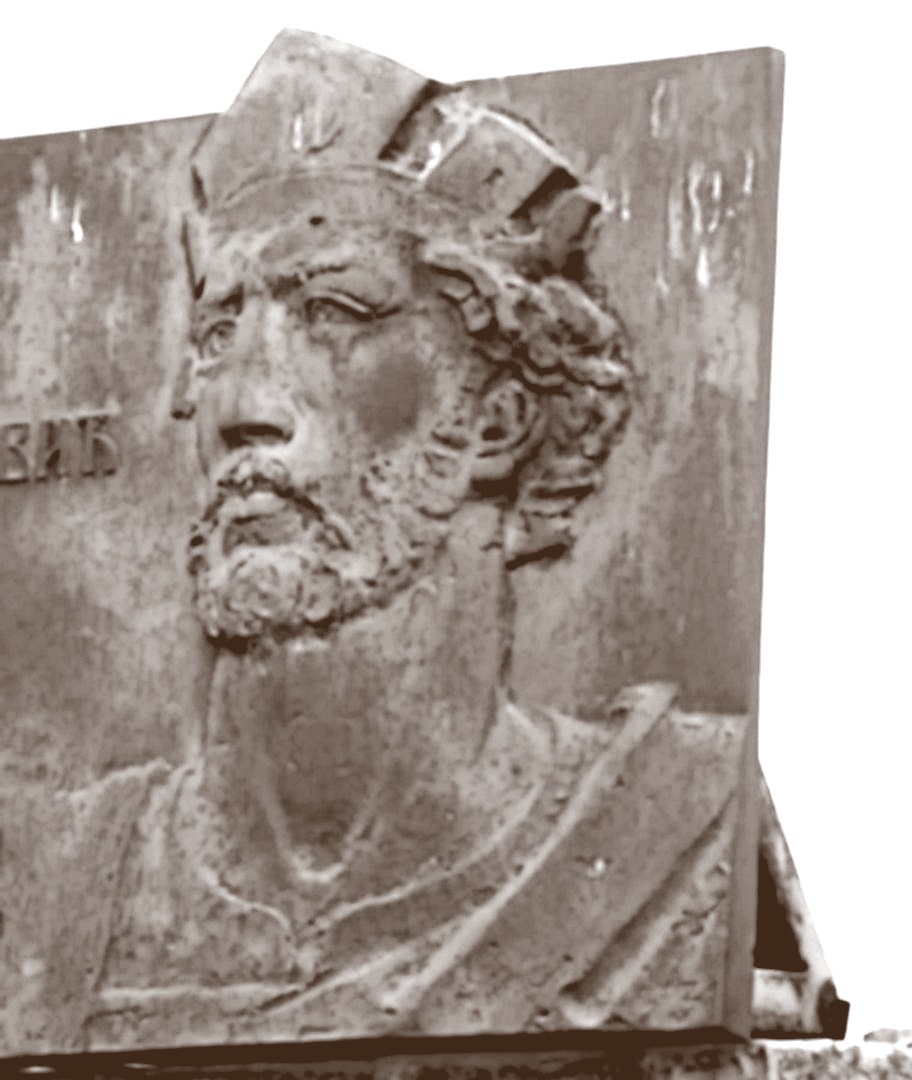
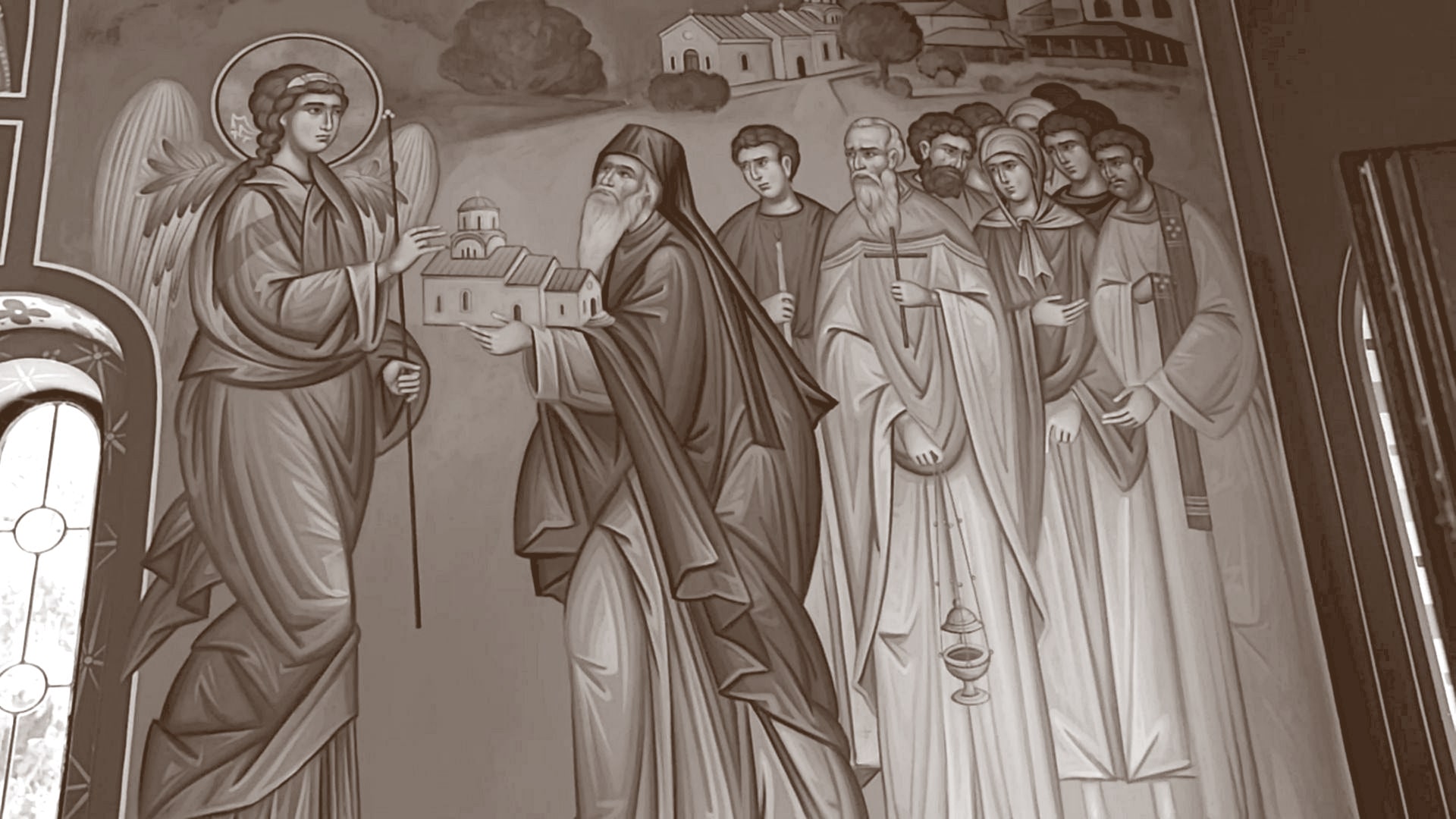
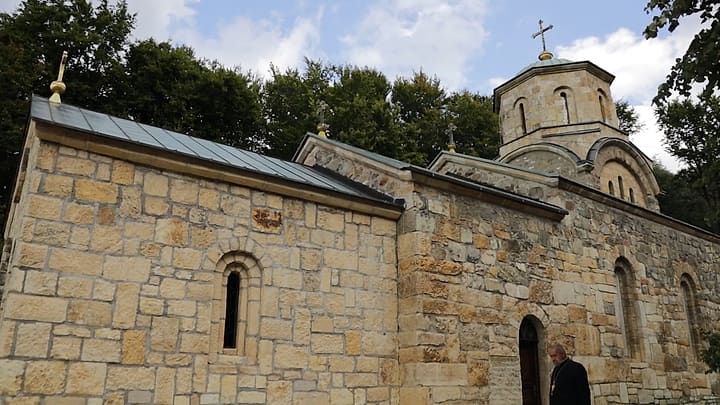
In silence it keeps the blessings of centuries within itself.
Through the Centuries
Building of the church
According to the prevailing view, the church was built in the time of King Dragutin, in the tradition of the Raška school.
Despot Stefan Lazarević
The monastery is restored. On the heights of Kosmaj there now stand Pavlovac, Kastaljan, Tresije and Velika Ivanča.
The Ottoman census
The monastery is mentioned for the first time in written sources, as the monastery of the Holy Archangel, under the name Tres or Tresi, with twelve monks. In the mid-16th century it had the largest community and the greatest wealth of any monastery in the Belgrade Pashalik. Today five monks live here.
The Tresije Psalter
A psalter from Tresije was brought to Hopovo Monastery and later reached Hilandar, the Serbian monastery on Mount Athos, where it is kept to this day. The Tresije (or Hopovo) Psalter is a historic medieval manuscript made at Tresije, taken to Hopovo and from there to the library of Hilandar.
The Great Migration of the Serbs
The people leave their homes, and the monastery is plundered, burned and destroyed.
Restoration by Abbot Visarion
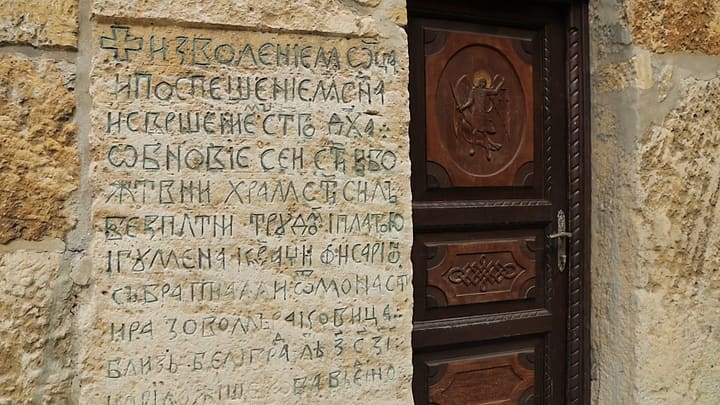
Abbot Visarion and the brotherhood of Rakovica Monastery rebuild the church. An inscription carved in stone beside the church entrance bears witness to it.
Suffering again
After the war that the Austrians lost, the monastery fell into ruin once more and lay desolate for a long time. Records show that in the early 18th century the community had twelve monks; great destruction followed.
Restoration through the efforts of Patriarch Varnava
Under the supervision of the architect Momir Korunović, the church is rebuilt, the access road repaired and a bridge built over the stream. The work is interrupted by the death of the Patriarch and the outbreak of war; in 1940 the building of the church and of the monastic residence resumes.
The monks return
Monastic life gradually returns, and in difficult conditions the monastery buildings are repaired. Restoration and construction continue to this day.
Restoration of the church completed
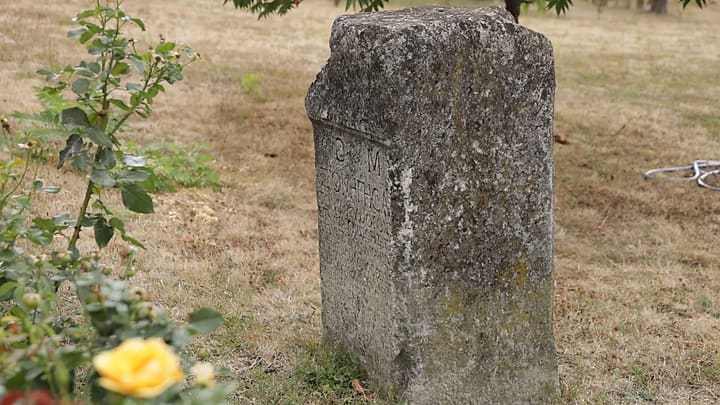
At the close of the mid-century restoration the church shone once more in full splendour. Its restorer and tireless builder was Abbot Jovan, who raised the church's narthex — the entrance hall, where he was later buried as the monastery's restorer — and then the residences and the whole monastic complex.
Frescoes and monastic life
The church is painted throughout with beautiful frescoes by masters from Belgrade; the work began around the middle of the previous decade and was completed at the start of this one, bringing the church to full aesthetic and spiritual completion. Today five monks live at the monastery, continuing in prayer and labour the centuries-long life of this sanctuary.